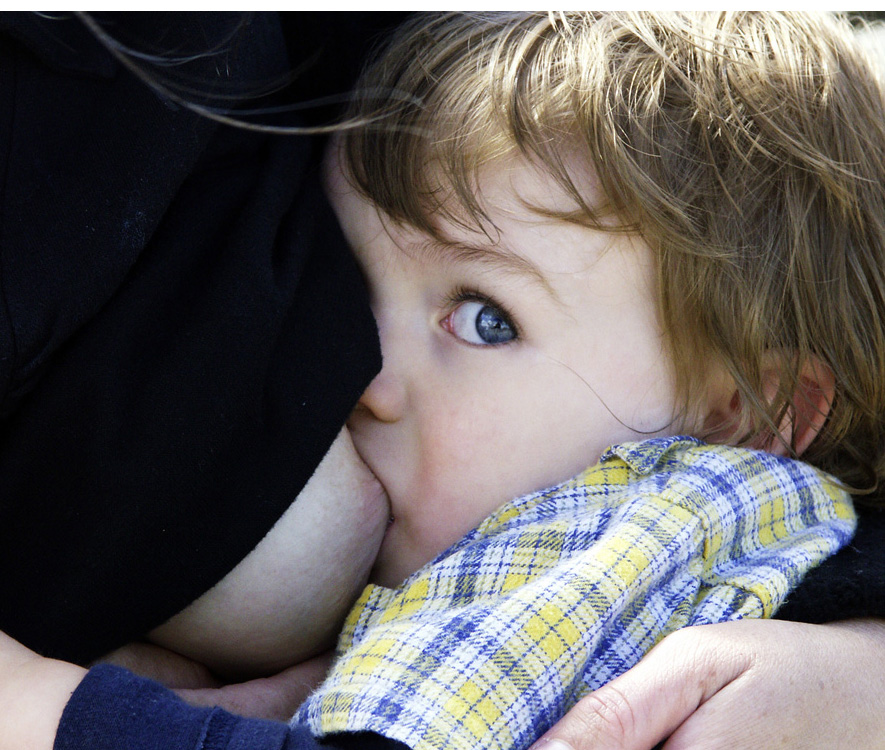
Although it is well known that smoking is harmful for everyone and especially dangerous for babies, some mothers find it very difficult to give up smoking completely. Should mothers who smoke breastfeed? Would formula be a safer choice? Or will breastfeeding help to protect a baby against some of the health risks of breathing in cigarette smoke?
This article looks at the official recommendations for smoking while breastfeeding, discusses how smoking affects breast milk and your baby, and includes suggestions for reducing the risks to the breastfed baby if a mother or her partner can’t stop smoking straight away. For specific information about nicotine see Nicotine in Breast Milk and for nicotine replacement products or e-cigarettes see Nicotine Therapy, Vaping and Breastfeeding.
Can I smoke while breastfeeding?
Breastfeeding can help to protect your baby from some of the health risks and infections caused by passive smoking (being exposed to secondary smoke). As such, current health guidelines advocate continuing to breastfeed if you smoke with a number of recommendations to be aware of to protect baby from breathing in any side smoke.1Breastfeeding and the Use of Human Milk. American Academy of Pediatrics, July 20222Breastfeeding and Smoking. National Health Service. 2022
Recommendations to protect your baby from cigarette smoke and nicotine
- Stop smoking or try to cut down. Two organisations offering tips to help you stop smoking in the UK include; Smoking Cessation (NICE, 2025) and Smoking, Smoking Cessation and Breastfeeding (Breastfeeding Network, amended 2025).
- Don’t smoke in the home or car or let anyone smoke around your baby (AAP, 2022). Smoking in another room of the house is unlikely to protect your baby significantly as smoke travels throughout a home and lingers in the furnishings.3 Mascola et al. Exposure of young infants to environmental tobacco smoke: breast-feeding among smoking mothers. Am J Public Health. 19984Fisher. Social Drugs and Breastfeeding. 2006
- Don’t share a bed with a baby if you (or a partner in the bed) smoke as this increases the risk of sudden infant death syndrome.5Breastfeeding and Smoking. National Health Service. 2022
- Smoke straight after a breastfeed not before. The longer the time between smoking and the next breastfeed, the less nicotine will be in your breast milk (AAP, July 2022).
- Nicotine replacement therapy helps some mothers to stop smoking. See Nicotine Therapy, Vaping and Breastfeeding for a review of nicotine patches, gum, inhaler, and sprays, and for information about e-cigarettes and vaping.
- Check your baby’s weight gain regularly. Academy of Breastfeeding Protocol #21 says that breastfeeding mothers who smoke or vape nicotine products may produce breast milk that is less nutritional, and make less milk.6ABM Clinical Protocol #21: Breastfeeding in the Setting of Substance Use and Substance Use Disorder (Revised 2023) Wambach and Spencer say smoking may reduce the fat content of breast milk.7Wambach and Spencer, Breastfeeding and Human Lactation, 2020, p514 How to Make More Breast Milk provides ideas to maximise a milk supply if there are any issues.
Health risks of smoking around babies
Babies exposed to cigarette smoke are at a greater risk of
- Sudden infant death syndrome (SIDS)8Mitchell and Milerand. Smoking and Sudden Infant Death Syndrome. Rev Environ Health 20069Smoking and Your Baby. Lullaby Trust. 2025 and sudden unexplained infant death (SUID) (ABM Protocol #21, 2023).
- Having respiratory illnesses, tremors and muscle rigidity10Breastfeeding and Human Lactation 6e. Wambach and Spencer, 2020 p 514
- Ear, nose, throat, and upper respiratory infections, and allergies and nicotine exposure may reduce appetite, cause tachycardia, and impair sleep (ABM Protocol #21, 2023).
- Childhood obesity and thyroid dysfunction.11Lisboa et al. Obesity and endocrine dysfunction programmed by maternal smoking in pregnancy and lactation. Front Physiol. 2012
- A shorter breastfeeding relationship due to a combination of several possible factors including mothers perceiving their milk as not good enough, increased colic and less sleep for their baby.12Mennella et al. Breastfeeding and Smoking: Short-term Effects on Infant Feeding and Sleep. Pediatrics. 2007
Risks of breastfeeding and smoking for the mother
- Smoking increases the risk of breast abscess and inflammation and mastitis in the ducts behind the nipple (periductal mastitis).13Breastfeeding and Human Lactation 6e, Wambach and Spencer, 2020, p51414Periductal Mastitis. breastcancercare.org, 2025
- Smoking and nicotine are risk factors for nipple vasospasm. This is when the blood vessels in the nipple suddenly tighten causing pain after breastfeeds, see Nipple Vasospasm and Breastfeeding.
- Smoking after the birth of your baby may be associated with relapses of Crohn’s disease for a mother (Wambach and Spencer, 2020).
- Smoking may affect the let-down reflex (when milk is released from the breast), milk supply and baby’s weight gain (ABM Protocol #21, 2023; Wambach and Spencer, 2020 p337).
Benefits of breastfeeding for your baby
Breastfeeding is known to have significant health benefits for all babies because it allows normal development of the brain and body systems. It is thought particularly valuable that babies who are subjected to passive smoking receive these health benefits to help cancel out their increased risks of infection.15Maternal smoking and infant feeding: breastfeeding is better and safer, Dorea, 2007 Breastfeeding can help normalise a baby’s blood levels of important antioxidant vitamins such as A, C and E and two studies have indicated improved lung function in children of smokers who were breastfed up to ten years of age.16Breastfeeding Answers Made Simple 2e, Mohrbacher, 2020 Formula doesn’t have any of these benefits and carries its own health risks.
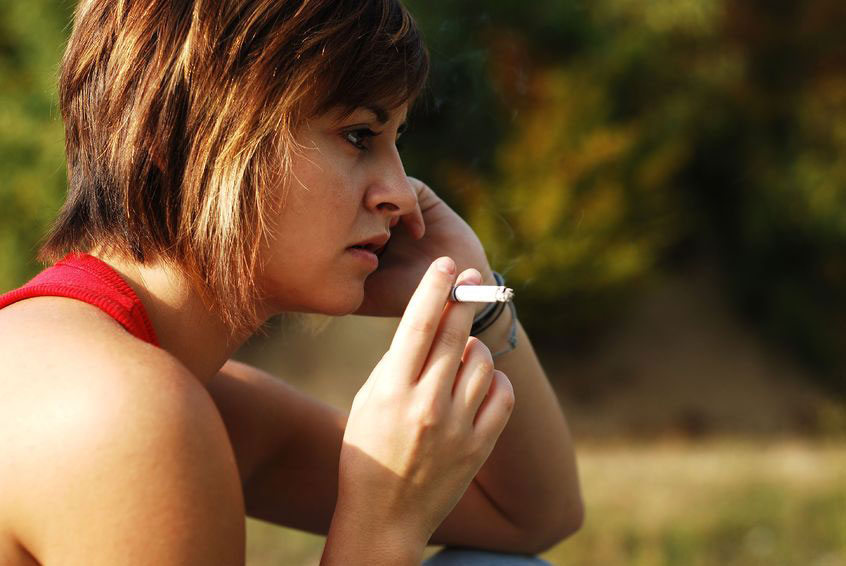
How does smoking increase SIDS?
#1 Smoking in pregnancy
One study of data from 2002 found that up to a third of SIDS deaths were connected to smoking during pregnancy.17Infant morbidity and mortality attributable to prenatal smoking in the U.S. Dietz et al, 2010
#2 Smoking around baby
Tobacco contains about 600 different ingredients (e.g. arsenic, carbon monoxide, formaldehyde, tar, lead and nicotine) which create many thousands of undesirable chemicals when they burn.18What’s in a Cigarette? lung.org 2025 Once smoked, these chemicals travel around the home and cling to your skin and hair, clothing and soft furnishings so that your baby breathes them in long after the cigarette is finished. Passive smoking harms a baby’s breathing, lung function, brain and heart development putting them at a much higher risk of those respiratory infections that are connected with sudden infant death syndrome.19Four Ways Smoking Increases the Risks of SIDS, Ask Dr Sears, 2020
Nicotine may be a key factor in the risk of SIDS by reducing the baby’s ability to maintain their breathing during low oxygen (hypoxic) episodes.20Nicotine. LactMed 15 November 2023
#3 Smoking and co-sleeping with baby
It’s important not to sleep in the same bed as your baby if you or your partner smoke as this increases his risk of SIDS (Lullaby Trust, 2025). On sharing a room if you smoke, the authors of Sweet Sleep say:
Even if you or your partner smokes, most research and health organisations still suggest keeping your baby in your room at night for at least the first half-year. But you can minimise your baby’s nighttime exposure to smoke by keeping his bed away from yours, by bringing him into your bed only for feeds, and by staying between him and a partner who smokes.
See Bed-Sharing With Baby for further information on safe sleep.
How does smoking affect breast milk?
Smoking or passive smoking by the mother can cause:
- Nicotine and other chemicals in breast milk. When breathed in to the mother’s lungs, nicotine—an addictive chemical naturally found in tobacco plants—is rapidly absorbed into the mother’s blood, and the baby’s if he is passive smoking, along with tar, carbon monoxide and many other by-products.21Fisher, Social Drugs and Breastfeeding, 2006 High levels of nicotine reach the brain in 10–20 seconds from one “puff”.22Benowitz et al, Nicotine Chemistry, Metabolism, Kinetics and Biomarkers, Handb Exp Pharmacol. 2009 From the blood, nicotine quickly diffuses into breast milk. For a review of the ways nicotine might affect a baby via breast milk, and how to minimise the effects of nicotine see Nicotine in Breast Milk. For information about smoking marijuana see Smoking Weed While Breastfeeding.
- A lower fat content of breast milk which may affect infant growth and weight gain.23Baheiraei et al, The Effects of Maternal Passive Smoking on Maternal Milk Lipid, Acta Med Iran. 2014
- Smokey/nicotine tasting and smelling milk which may predispose children to like the taste of cigarettes.24Mennella et al, Breastfeeding and Smoking: Short-term Effects on Infant Feeding and Sleep, Pediatrics. 200725Mennella and Beauchamp, Smoking and the Flavor of Breast Milk, N Eng J Med. 1998
- Lower iodine levels in breast milk are described in a paper by Laurberg et al and this can increase the risk of iodine deficiency-induced brain damage.26Laurberg et al, Iodine Nutrition in Breast-Fed Infants Is Impaired by Maternal Smoking, J Clin Endocrine Metab. 2003 The authors advise against smoking for breastfeeding women, if they do, iodine supplements should be considered.
- Lower vitamin C in breast milk see Vitamin C and Breastfeeding.
Despite these changes Mennella et al say breast milk remains the ideal food even if a mother smokes:
Although lactating women who smoke are advised to stop smoking, breast milk remains the ideal food even if the mother does not stop smoking, because there is little evidence to suggest that breastfeeding from a mother who smokes has adverse effects on the infant (although there are risks related to smoking-induced reductions in milk iodine content). It should be emphasized that the lack of evidence may be attributable to the paucity of research.
Summary
Smoking is a serious health risk to your baby and a risk factor for SIDS. The ideal situation is to stop smoking. If you do smoke, breastfeeding can help protect your baby against some of the respiratory illnesses and health problems associated with passive smoking. However, nicotine is readily breathed in and readily enters breast milk and may cause your baby to have difficulty sleeping, more colic, an increased heart rate, and a higher risk of SIDS. The impact of other toxic chemicals entering breast milk from smoking needs more research. It’s important to protect your baby from smoke as much as possible and you can help to lower their nicotine exposure via your milk by smoking straight after a breastfeed. Nicotine replacement therapy avoids the risk of passive smoking but e-cigarettes and vaping are still not well researched and their risks haven’t been studied.
Further reading
- Nicotine Therapy, Vaping and Breastfeeding Breastfeeding Support, 2025
- Nicotine in Breast Milk Breastfeeding Support, 2025
Footnotes & References
- 1Breastfeeding and the Use of Human Milk. American Academy of Pediatrics, July 2022 ↩︎
- 2Breastfeeding and Smoking. National Health Service. 2022 ↩︎
- 3Mascola et al. Exposure of young infants to environmental tobacco smoke: breast-feeding among smoking mothers. Am J Public Health. 1998 ↩︎
- 4Fisher. Social Drugs and Breastfeeding. 2006 ↩︎
- 5Breastfeeding and Smoking. National Health Service. 2022 ↩︎
- 6
- 7Wambach and Spencer, Breastfeeding and Human Lactation, 2020, p514 ↩︎
- 8Mitchell and Milerand. Smoking and Sudden Infant Death Syndrome. Rev Environ Health 2006 ↩︎
- 9Smoking and Your Baby. Lullaby Trust. 2025 ↩︎
- 10Breastfeeding and Human Lactation 6e. Wambach and Spencer, 2020 p 514 ↩︎
- 11Lisboa et al. Obesity and endocrine dysfunction programmed by maternal smoking in pregnancy and lactation. Front Physiol. 2012 ↩︎
- 12Mennella et al. Breastfeeding and Smoking: Short-term Effects on Infant Feeding and Sleep. Pediatrics. 2007 ↩︎
- 13Breastfeeding and Human Lactation 6e, Wambach and Spencer, 2020, p514 ↩︎
- 14Periductal Mastitis. breastcancercare.org, 2025 ↩︎
- 15
- 16Breastfeeding Answers Made Simple 2e, Mohrbacher, 2020 ↩︎
- 17
- 18
- 19Four Ways Smoking Increases the Risks of SIDS, Ask Dr Sears, 2020 ↩︎
- 20
- 21Fisher, Social Drugs and Breastfeeding, 2006 ↩︎
- 22Benowitz et al, Nicotine Chemistry, Metabolism, Kinetics and Biomarkers, Handb Exp Pharmacol. 2009 ↩︎
- 23Baheiraei et al, The Effects of Maternal Passive Smoking on Maternal Milk Lipid, Acta Med Iran. 2014 ↩︎
- 24Mennella et al, Breastfeeding and Smoking: Short-term Effects on Infant Feeding and Sleep, Pediatrics. 2007 ↩︎
- 25Mennella and Beauchamp, Smoking and the Flavor of Breast Milk, N Eng J Med. 1998 ↩︎
- 26Laurberg et al, Iodine Nutrition in Breast-Fed Infants Is Impaired by Maternal Smoking, J Clin Endocrine Metab. 2003 ↩︎